
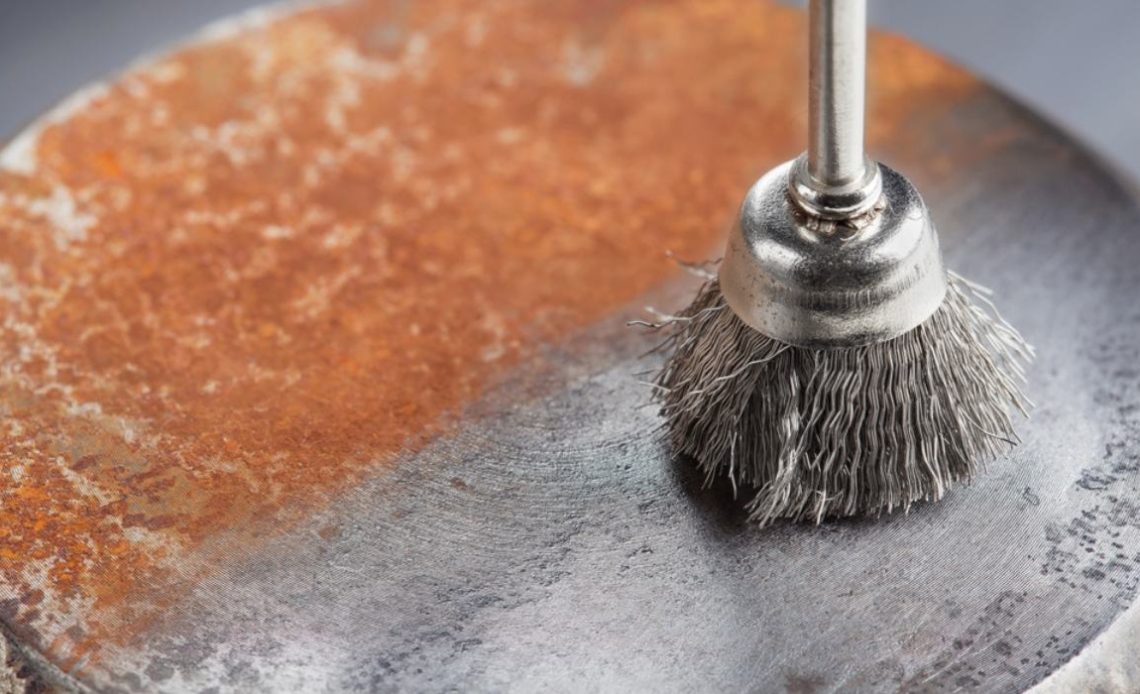
The best way for “how to get rust off metal“ depends on the severity. For light surface rust, white vinegar or a baking soda paste works well. For moderate rust, a wire brush or sandpaper is required. Heavy corrosion usually calls for a commercial rust remover like Evapo-Rust. In 2026, laser rust removal is becoming more accessible for hobbyists, but for home tools, the “vinegar soak” remains the most cost-effective solution.
The good news is that most rust is removable – even on tools and garden furniture that look beyond saving. This guide walks you through each approach so you can pick the right method without wasting time or money.
Choose the Right Method Based on Rust Severity
|
Rust Level |
What It Looks Like |
Best Method |
Time Needed |
|
Light / Surface |
Orange discolouration, no pitting |
Vinegar soak or baking soda paste |
1-3 hours |
|
Moderate |
Flaking rust, slight texture loss |
Wire brush + rust converter |
2-4 hours |
|
Heavy |
Deep pitting, structural weakness |
Angle grinder + commercial remover |
4-8 hours |
|
Full corrosion |
Metal crumbling or paper-thin |
Replacement likely needed |
N/A |
Method 1: White Vinegar (Best Natural Option)
White vinegar contains acetic acid which reacts with rust (iron oxide) and dissolves it. This works surprisingly well on smaller metal items like tools, bolts, and hinges.
1. Submerge the rusty item completely in undiluted white vinegar.
2. Leave it for at least 2 hours – overnight for heavier rust.
3. Remove and scrub with a stiff brush or steel wool to lift the loosened rust.
4. Rinse thoroughly with water and dry immediately – vinegar left on metal will cause new rust.
5. Apply a light coat of oil (WD-40, mineral oil, or even cooking oil) to protect the surface.
Method 2: Baking Soda Paste (Great for Curved or Hard-to-Soak Items)
1. Mix baking soda with just enough water to form a thick paste.
2. Apply the paste generously to the rusted area and let it sit for 30-60 minutes.
3. Scrub with a toothbrush, wire brush, or steel wool.
4. Rinse and dry completely, then apply a protective coat of oil.
Method 3: Commercial Rust Remover (For Stubborn or Heavy Rust)
Products like Evapo-Rust, WD-40 Rust Remover Soak, or CLR are chemically formulated to dissolve rust quickly without scrubbing. They are safe for most metals and do not damage surrounding paint or plastic.
- Evapo-Rust: Water-based, non-toxic, works without scrubbing. Soak the item for 1-4 hours.
- Naval Jelly: Gel form for surfaces you cannot soak – brush it on, wait 15 minutes, rinse off.
- CLR: Works on rust and mineral deposits. Good for sinks, pipes, and chrome fixtures.
Preventing Rust from Coming Back
Removing rust is only half the job. Metal will rust again if left unprotected. After cleaning, choose one of these protection options:
- Apply a clear rust-inhibiting spray (such as Rust-Oleum Clear) to seal the surface.
- For tools: wipe with a light coat of machine oil after each use and store in a dry place.
- For outdoor metal furniture: repaint with a rust-resistant outdoor primer and paint.
- For raw steel: consider a cold galvanising compound for long-term outdoor protection.
Common Mistakes to Avoid
- Skipping the drying step – any moisture left on metal will cause rust to return within hours.
- Using too coarse a sandpaper on thin metal – it can remove more than just rust.
- Leaving vinegar or commercial removers on metal too long – extended contact can start to pit the base metal.
- Not applying a protective coating after removal – this is the step most people skip and then wonder why the rust came back.