
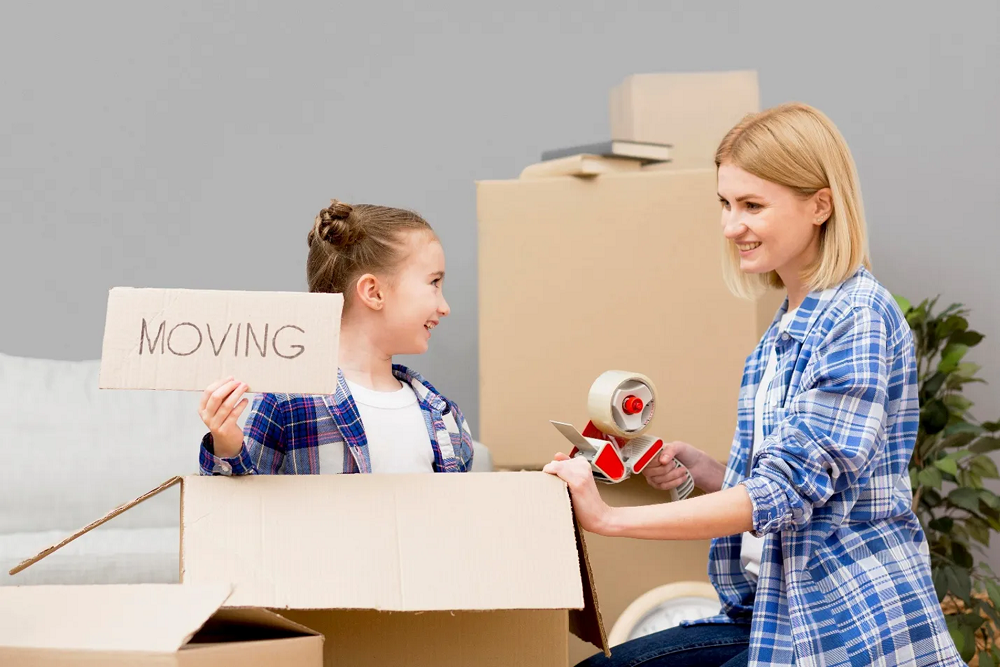
Adults find moving exciting, whereas children perceive it as a loss. A new house means new habits, new people, and questions that they may not be familiar with how to pose. This is why emotional support is as important as planning.
A peaceful strategy makes children feel safer at the outset. Collaborating with a reputable team such as Ramar Moving can also help decrease stress among parents. Children feel safer when adults are less rushed. Here is what parents can do:
Begin With the Big Talk
Children are more apt to manage change when they are prepared. Give them notice of the move early, clarify the rationale briefly, and respond to questions with patience. Fear can be prevented by clear words.
It can also act as a reminder of what will remain constant. What they like, family, and habit continue to count, and that feeling of stability invites trust. What is already known can seem intimidating in a new location.
Know What Small Children Require
Toddlers and preschoolers express their stress behaviorally rather than verbally. They might cry a lot, attach themselves to you, or struggle with sleep since the change is disorienting. Others might even resort to behavior they had outgrown.
Maintain familiarity with life at this stage. Keep the same bedtime, meals, and comfort items, and pack their room last when possible. Young children need to feel safe, which they can feel during small routines.
Make School-Age Kids feel safe
School-age children are more aware, yet they tend to be concerned about school and friendships. When they have a role, they tend to feel better, and then they can label boxes or decide on the room colors. Engagement makes them feel less helpless.
Another thing you can do is to encourage them to imagine positive things in the future. Introduce them to the new space and have them fantasize about their new room. When children start to see details, hope increases.
Support Tweens and Teens
Children who are older might conceal their emotions more than younger children. Others turn silent or gloomy as departing friends and home ways can be personal. They can also be concerned about socializing and social reintegration.
Don’t dismiss sadness; respect it. Allow them to participate in decision-making and give them time to adapt. They may be more open when they feel respected.
Help Children Settle in After the Move
When the boxes arrive, the worst might be over. Children may require additional support because the new home is still unfamiliar and nothing seems to be usual yet. This is where patience comes into play.
Get their room ready early and transport family habits quickly. Share meals and celebrate tiny accomplishments, such as a school day. Finding comfort early allows children to associate the new house with safety.
In conclusion, a move can be smooth with children without a great day. It is about making every age category feel safe, listened to, and involved in every step. It is not zero stress, but improved support.
Children adapt more readily when their parents remain patient and ready. A new house can start feeling like home significantly sooner with proper support before and after the move. What makes it easier on the entire family is this.